
Columbus buyers keep asking whether Ohio Housing Finance Agency (OHFA) down-payment help actually beats a…
Unlock Your Dream Home: How to Qualify for an Asset Depletion Mortgage Under Age 59.5 in Columbus, OH

For many high-net-worth individuals in Columbus, OH, the mortgage application process can feel like a paradox. You might have substantial wealth accumulated in investment portfolios, retirement accounts, and savings, yet a standard mortgage application may reject you because your taxable income on a tax return doesn’t reflect your true purchasing power. This is a common scenario for self-employed entrepreneurs, early retirees, and savvy investors.
If you are under the age of 59.5, the challenge is even steeper. Traditional underwriting guidelines often struggle to account for retirement assets that cannot be withdrawn without penalty. However, there is a powerful solution available that looks at your total financial picture rather than just your W-2 or net income: The Asset Depletion Mortgage.
At Sauk Mortgage Group, we specialize in helping clients in Columbus and throughout Ohio overcome these roadblocks. Whether you are looking to buy a luxury home in Dublin, a condo in the Short North, or a family estate in New Albany, understanding asset depletion can be the key to securing your financing.
What is an Asset Depletion Mortgage?
Asset depletion is not a specific “type” of loan like an FHA or VA loan; rather, it is a method of calculating income used to qualify for a mortgage. It allows borrowers to use their liquid assets to simulate a monthly income stream, which lenders then use to calculate the debt-to-income (DTI) ratio.
Essentially, the lender takes your total eligible liquid assets and divides them by a specific term (often the loan term, such as 360 months for a 30-year mortgage, or sometimes a shorter term depending on the program). The resulting number is counted as “monthly income” on your application.
Important Note: You do not actually have to liquidate your assets or sell your stocks to get the loan. The calculation is purely on paper to satisfy underwriting requirements regarding your ability to repay the loan.
Why is Being Under 59.5 Years Old a Challenge?
The age of 59.5 is the magic number in the eyes of the IRS and mortgage underwriters. This is the age at which you can generally begin withdrawing from tax-advantaged retirement accounts (like 401(k)s and IRAs) without incurring a 10% early withdrawal penalty.
When you are under 59.5, lenders view retirement assets with more scrutiny. Because these funds are not technically “accessible” without a penalty, standard conforming loans (Fannie Mae/Freddie Mac) have strict rules about how much of that money can be used for income qualification. In many cases, they may not allow it at all unless you are already taking distributions, which defeats the purpose for many investors who want their money to keep growing.
However, through specialized Non-QM (Non-Qualified Mortgage) and Jumbo loan programs offered by Joe Sauk and the team, we can utilize asset depletion logic that is specifically designed for borrowers under 59.5.
How the Calculation Works for Borrowers Under 59.5
The calculation for asset depletion when you are under retirement age involves a few extra steps to ensure risk management for the lender. Since there are potential taxes and penalties involved in accessing these funds, lenders apply a “haircut” (a percentage reduction) to the total asset value before calculating the income.
Here is a simplified breakdown of how this typically works for a borrower under 59.5 versus a borrower over 59.5:
| Factor | Borrower Under 59.5 Years Old | Borrower Over 59.5 Years Old |
|---|---|---|
| Asset Eligibility | Checking, Savings, Stocks, Bonds, Mutual Funds. Retirement accounts (401k/IRA) are eligible but discounted. | All liquid assets, including retirement accounts, are generally eligible at higher valuations. |
| The “Haircut” (Discount) | Retirement assets may be calculated at 60% to 70% of their current market value to account for early withdrawal penalties and taxes. | Retirement assets are often calculated at 70% to 100% of value, as there is no early withdrawal penalty. |
| Income Calculation Term | Often divided by the loan term (e.g., 360 months) or a set term (e.g., 240 months) depending on the specific lender program. | Often divided by the loan term (360 months). |
| Employment Status | Employment is not required. You can be “unemployed” or retired early. | Employment is not required. |
A Real-World Example
Let’s say you are 45 years old and living in Columbus, OH. You have retired early from a tech career and have $2,000,000 in a combination of IRAs and brokerage accounts. You want to buy a home but show very little taxable income.
- Total Assets: $2,000,000
- Lender “Haircut”: Because you are under 59.5, the lender might only use 70% of your asset value to be safe.
$2,000,000 x 0.70 = $1,400,000 (Qualifying Assets) - Income Calculation: The lender divides the Qualifying Assets by 360 months (30-year term).
$1,400,000 / 360 = $3,888
In this scenario, the lender adds $3,888 to your monthly income for qualifying purposes. If you have other income sources (like rental income or small consulting gigs), this is added on top. If your assets are in standard checking/savings (non-retirement), the haircut is usually much smaller or non-existent, boosting your qualifying income significantly.
Which Assets Can Be Used?
Not all assets are created equal when it comes to mortgage qualification. When preparing to apply with Sauk Mortgage Group, it helps to know what you can bring to the table.
1. Liquid Assets (100% Usage typically)
- Checking and Savings Accounts: Money market accounts and standard bank accounts are viewed as “good as cash.”
- Certificates of Deposit (CDs): Provided they are not restricted for long durations.
2. Investment Accounts (70-90% Usage)
- Stocks and Bonds: Publicly traded stocks and bonds are eligible. Lenders discount them slightly to account for market volatility.
- Mutual Funds & ETFs: Highly acceptable forms of collateral for income calculation.
3. Retirement Accounts (60-70% Usage if Under 59.5)
- 401(k) and 403(b): Even if you are no longer with the employer, these are key assets.
- IRA (Traditional, Roth, SEP): These are excellent sources for asset depletion calculations.
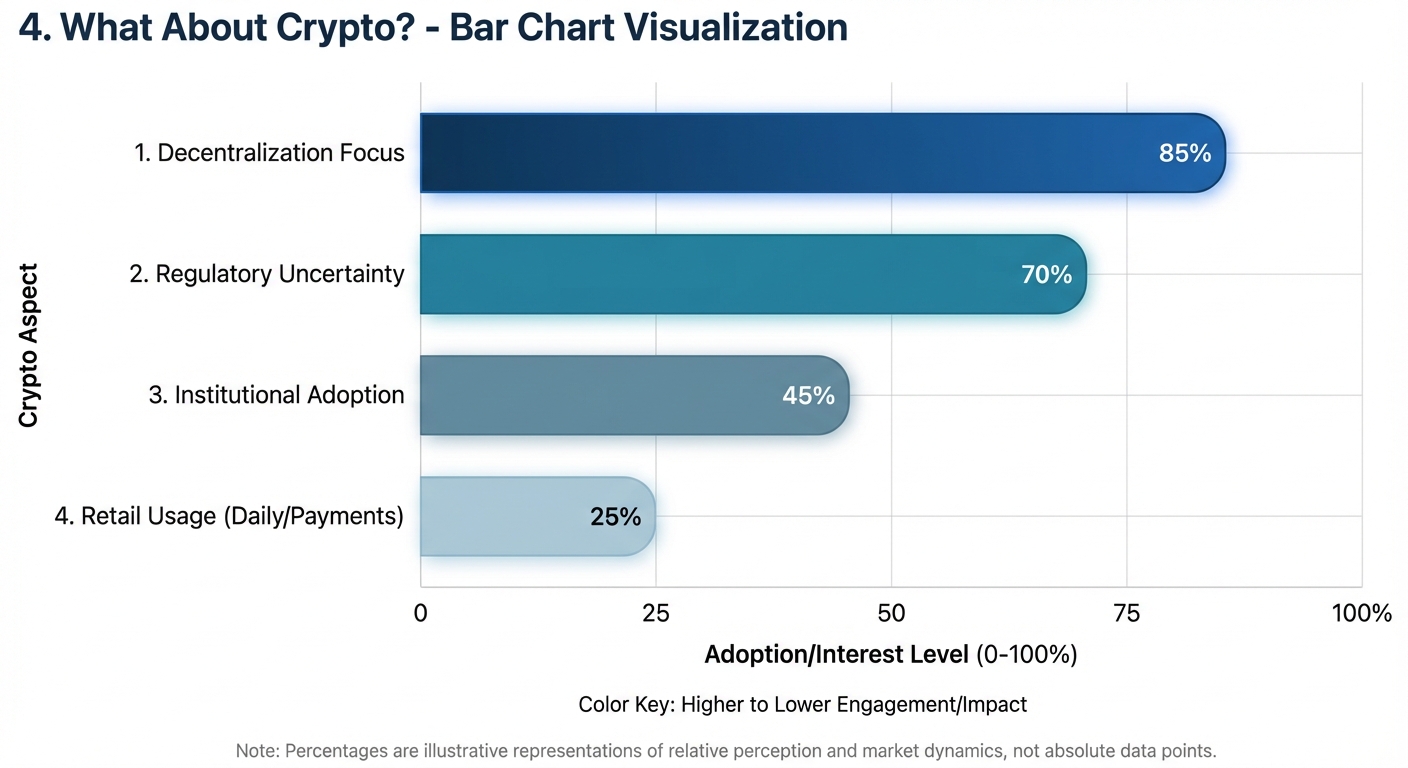
4. What About Crypto?
Cryptocurrency is becoming more accepted, but it is still volatile. Most lenders will require you to liquidate cryptocurrency into US Dollars and hold it in a bank account for a specific period (often 30-60 days) before it can be used for asset depletion. However, the landscape is changing rapidly. If you are crypto-heavy, contact Joe Sauk to discuss the most current options available.
Who Benefits Most from Asset Depletion Loans?
This strategy is not for the average first-time homebuyer with a modest savings account. It is specifically designed for:
- Self-Employed Professionals: Business owners who write off significant expenses to lower their tax liability, resulting in a low net income on paper.
- Early Retirees (FIRE Movement): Individuals who have achieved “Financial Independence, Retire Early” but are decades away from Social Security or pension access.
- Trust Fund Recipients: Individuals with significant access to capital but no traditional employment.
- High-Net-Worth Divorcees: Individuals who received a large lump sum settlement but have not yet established a new employment income stream.
- Columbus Real Estate Investors: Investors who have large liquidity reserves but whose tax returns show losses due to depreciation.
Navigating the Columbus, OH Market with Asset Depletion
The real estate market in Columbus, OH is evolving. As we move through 2025 and look toward 2026, inventory in desirable neighborhoods like Upper Arlington, Grandview Heights, and Powell remains competitive. When you are bidding on a high-value property, you need a pre-approval that is rock solid.
Sellers in Columbus want assurance that the buyer can close. A generic pre-approval from a big-box online lender might fall apart once underwriting realizes your income comes from assets, not a W-2. By working with a local expert like Sauk Mortgage Group, your pre-approval letter carries weight. We understand the nuances of the local market and structure your file correctly from day one.
Furthermore, because Sauk Mortgage Group is a broker, we have access to a variety of wholesale lenders. This means we can shop your asset depletion scenario across multiple investors to find the one with the most favorable “haircut” calculation and interest rate for your specific age and asset mix.
Why Choose Sauk Mortgage Group?
Joe Sauk has been originating mortgage loans since 1993. That is over three decades of experience navigating complex financial profiles. While algorithms are great for simple loans, asset depletion requires a human touch and an expert eye.
- Personalized Strategy: We don’t just plug numbers into a computer. We analyze your entire portfolio to maximize your qualifying income.
- Local Expertise: We are based in Columbus, OH. We know the appraisers, the agents, and the market dynamics.
- Speed and Efficiency: We work to clear roadblocks before they happen, ensuring you hit your closing date.
- Diverse Products: From Jumbo loans to Non-QM products, we have the tools to finance your home when traditional banks say “no.”
Step-by-Step: How to Apply
- Gather Your Statements: We will need the most recent 2 to 4 months of statements for all asset accounts you wish to use (Brokerage, IRA, 401k, Savings).
- Request a Quote: Visit our Quote Request Page or call us directly.
- Consultation: Joe Sauk will review your assets and determine the qualifying income based on current guidelines for borrowers under 59.5.
- Pre-Approval: You receive a verified pre-approval letter to start shopping for homes in Columbus.
- Application & Closing: We handle the paperwork, appraisal, and underwriting coordination to get you to the closing table smoothly.
Frequently Asked Questions (FAQs)
1. Do I have to pledge my assets as collateral for the loan?
Generally, no. For most asset depletion programs, you do not have to pledge the assets or put a lien on them. The assets are simply used to calculate your ability to repay. You retain full control over your investment accounts.
2. Are interest rates higher for asset depletion mortgages?
Asset depletion loans are often considered “Non-QM” (Non-Qualified Mortgage) loans, which can carry slightly higher rates than a standard government-backed 30-year fixed mortgage. However, the difference is often marginal, and for many borrowers, it is the difference between getting the home or not. Additionally, if you have a high credit score and significant down payment, rates remain very competitive.
3. Can I combine asset depletion with other income?
Yes! This is very common. We can often stack your asset-derived income on top of Social Security, pension, or W-2 income to boost your total purchasing power.
4. What is the minimum asset amount required?
This varies by lender and loan amount. Typically, you need enough assets to cover the down payment, closing costs, and required reserves, plus enough remaining to generate the required income calculation. Usually, this strategy works best for borrowers with at least $500,000 to $1,000,000 in liquid assets, depending on the home price.
5. Can I use business funds for asset depletion?
If you are 100% owner of the business, you may be able to use business accounts. However, the underwriter will usually require a letter from your CPA stating that withdrawing those funds will not negatively impact the business operations. It is often easier to move funds to a personal account prior to application.
Ready to Buy Your Home in Columbus?
Don’t let your age or tax returns dictate your ability to purchase the home you deserve. If you have the assets, we have the loan program.
Take the first step today. Contact Joe Sauk and the team at Sauk Mortgage Group to discuss your unique financial situation.
Call us: (614) 353-5088
Email: joe@saukmortgagegroup.com
Apply Online: Start Your Application Here

Related Posts